Asphalt Repair & Line Striping.
Premier Asphalt Repair handles asphalt patching, crack sealing, sealcoating, and line striping across Greater Smith & Wilson Counties. Residential driveways and commercial lots, done right the first time.
Sealcoating, Striping & Asphalt Repair Specialists
Click To See Our Work

Sealcoating
- Surface cleaning (power wash for oil stains, sweep and blow for dirt)
- Crack filling with rubberized filler before sealer application
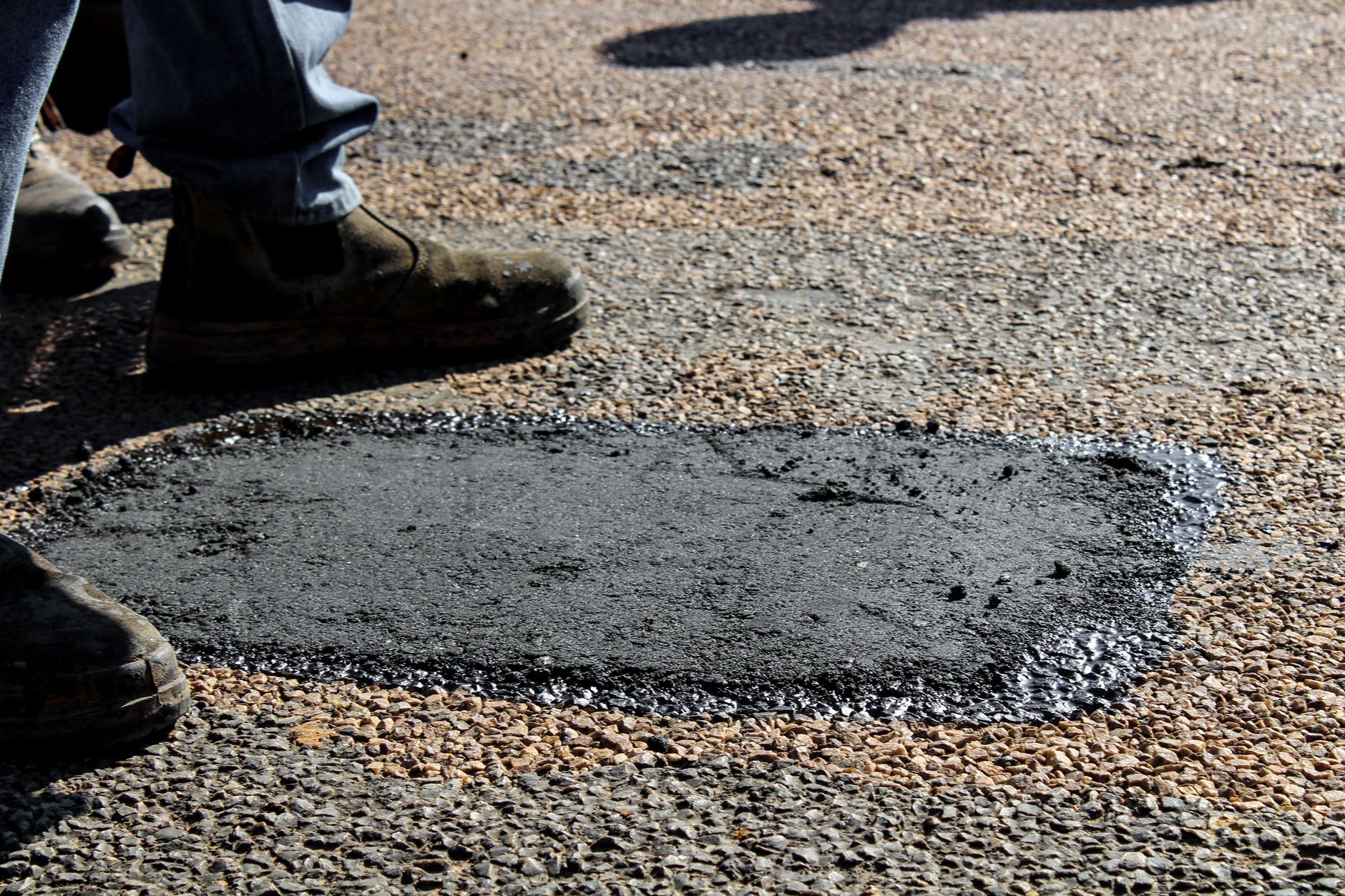
Asphalt Patching
- Saw-cut around damaged area for clean edges
- Excavation to stable base

Crack Sealing
- Crack cleaning with compressed air and routing if needed
- Hot rubberized crack filler heated to 375°F

Parking Lot Striping
- Parking stall layout per local code (9x18 feet standard)
- ADA-compliant handicap space dimensions and placement
From Cracked To Sealed, We Got Your Lot Covered
Site Visit and Estimate
Premier Asphalt Repair comes out to look at the site—measure the area, check drainage, look at existing pavement condition if it's a repair or overlay, and check access for trucks and equipment.
Surface Preparation
Every job starts with a clean, sound surface.
Sealer Application and Striping
Sealer goes down in two coats, sprayed or squeegeed depending on the surface, with cure time between coats.
Serving Greater Smith & Wilson Counties
Premier Asphalt Repair works Greater Smith & Wilson Counties — from Carthage, South Carthage, and Gordonsville across to Lebanon, Watertown, and everywhere between. Residential driveways, commercial parking lots, and line striping to spec.
Serving Greater Smith & Wilson Counties And Surrounding Areas
Common questions, honest answers.
When is the best time of year to pave asphalt in Tennessee?
New asphalt needs 6-12 months to cure before the first sealcoat. After that, reseal every 2-3 years for residential driveways and every 1-2 years for high-traffic commercial lots in Smith and Wilson Counties. Sealcoating extends pavement life by blocking UV rays and water intrusion, which are the main causes of asphalt deterioration. If you skip sealcoating, expect your pavement to fail in 10-15 years instead of lasting 25-30.
What does ADA compliance require for my parking lot?
The count is based on your lot size — one accessible space for every 25 total spaces, and at least one of every six accessible spaces has to be van-accessible with a wider layout. Van spaces need either an 11-foot stall with a 5-foot access aisle or an 8-foot stall with an 8-foot aisle, plus the wheelchair symbol and a mounted sign. Small lots under 25 spaces still need one van-accessible space. We measure, lay out, and stripe to the current federal standards, and we re-check the counts every time we restripe.
Do I need to sealcoat my asphalt driveway?
Not required, but it extends the life of the asphalt. Sealcoating protects against UV breakdown, water intrusion, and gas or oil spills. Premier Asphalt Repair recommends sealcoating every 2-3 years starting about a year after the driveway is paved. It's maintenance, not repair—it won't fix cracks or base problems, but it slows surface deterioration.
How soon can I drive on new asphalt?
24-48 hours depending on temperature. Hot weather, you can drive on it sooner. Cooler weather or thick asphalt, wait the full 48 hours. The asphalt needs to cool and firm up enough to handle vehicle weight without deforming. Full cure takes about 30 days, but you're fine to use it after the first two days. Premier Asphalt Repair will tell you the exact timeline based on the weather when we pave.
When is the best time of year to sealcoat in Tennessee?
The working window in Middle Tennessee runs roughly April through October. Sealer needs the temperature above 50°F and rising, with dry weather behind and ahead of it — mid-50s to 80s is the sweet spot. If you can pick your timing, early fall is smart: the surface goes into winter sealed, and winter is when pavement across Smith and Wilson Counties takes its worst beating. We freeze and thaw over and over from December through February, and every one of those cycles works water deeper into unsealed asphalt.
How big a crack can be filled, and when is it too late?
Anything from hairline up to about an inch wide gets routed clean and filled with hot-pour rubberized sealant — a seal that flexes with the pavement through the seasons. Wider than an inch, or areas with interconnected alligator cracking, is past what crack fill can hold; that section needs to be cut out and patched. The rule that matters: seal cracks before winter. Water that gets through a crack freezes in the base, and that's where potholes start.